
You’ve tried everything for your child: speech therapy, occupational therapy, supplements, diet changes, behavioral support. There’s progress at first, then it stalls. Sometimes it even regresses.
As an Austin parent, this pattern leaves you frustrated and searching for answers. What’s often missing isn’t another therapy – it’s understanding what’s happening in your child’s nervous system.
When your child’s nervous system is stuck in “go mode” (chronic stress), every other intervention works harder but delivers less. Here’s why nervous system regulation might be the missing foundation your family needs.
What Happens When Your Child’s Nervous System Gets Stuck
Your child’s nervous system works like the body’s operating system, controlling sleep, digestion, immunity, behavior, and emotional regulation. When this foundational system is dysregulated, it affects everything else.
Think of it as your child’s internal air traffic controller. When it’s overwhelmed or stuck in stress mode, nothing flows smoothly.
Two Critical Modes Your Child Needs
Your child’s autonomic nervous system has two essential modes:
- “Go Mode” (Sympathetic): The stress response that increases heart rate, quickens breathing, and slows digestion. Meant for short bursts, not constant activation.
- “Calm Mode” (Parasympathetic): The rest and healing state that allows deep sleep, proper digestion, immune function, emotional regulation, and brain development.
When your child gets stuck in “go mode,” their body believes it’s facing ongoing danger. The stress response stays activated for hours, days, even months. Everything that requires calm – sleep, digestion, learning, emotional regulation – struggles.
Signs Your Child’s Nervous System May Be Dysregulated
Nervous system dysregulation isn’t a behavior problem – it’s a stress load problem. Here’s what it often looks like:
Physical Signs of Stress Overload
- Sleep struggles despite exhaustion
- Chronic digestive issues (constipation, loose stools)
- Frequent illness or slow recovery
- Intense sensory sensitivities to textures, sounds, or touch
Behavioral Signs of “Go Mode” Stuck On
- Meltdowns over small triggers
- Difficulty calming down once upset
- Hyperactivity or complete withdrawal
- Explosive emotional reactions
Developmental Signs of Stress Impact
- Speech and language delays
- Motor skill challenges
- Learning difficulties despite intelligence
- Social skill struggles
These aren’t separate problems requiring separate solutions. They’re all connected to a dysregulated nervous system that can’t access the calm state needed for healing and growth.
Ready to Address the Foundation?
If your child’s progress has plateaued despite multiple interventions, nervous system regulation might be the missing piece. At River City Wellness, we help Austin families understand how stress affects development and healing.
Dr. Cody Capeloto specializes in pediatric nervous system support, helping children shift from chronic “go mode” to balanced regulation.
Schedule a Consultation or call (737) 348-0141

The “Perfect Storm” That Creates Nervous System Stress
When we evaluate children with nervous system dysregulation, we rarely find just one cause. Instead, we see layered stressors that compound over time – what we call the “Perfect Storm.”
Understanding this pattern isn’t about blame. No single factor “caused” your child’s challenges, and nothing you did created this storm. It’s about recognizing how early life stress shapes nervous system development.
How Stress Layers Build Over Time
Prenatal Stress: Your baby’s nervous system starts developing before birth. Chronic stress during pregnancy sends stress hormones across the placenta. Think of the umbilical cord as connecting your nervous system to your baby’s – they adapt to that environment.
Birth Challenges: Birth introduces physical stress to your baby’s developing nervous system. Even normal births can create tension that affects how the nervous system functions from day one.
Early Life Stressors: Infections, antibiotics, feeding difficulties, sleep disruption, and environmental toxins continue adding to your child’s stress load during critical developmental windows.
Why Traditional Therapies Plateau Without Nervous System Support
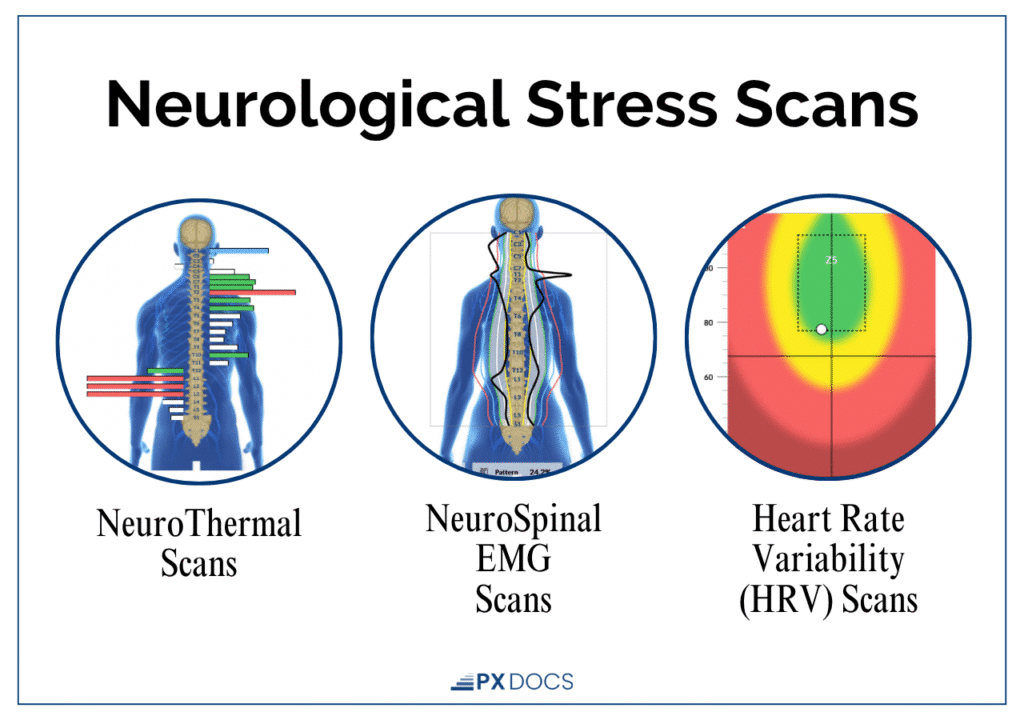
Speech therapy, occupational therapy, and behavioral interventions are valuable – but they work best when your child’s nervous system can actually integrate the learning.
When stuck in chronic “go mode,” your child’s brain prioritizes survival over growth. New skills, emotional regulation, and developmental progress require the calm, regulated state that chronic stress blocks.
What Parents Notice When the Foundation is Missing
- Good days followed by inexplicable regression
- Skills that seem to “disappear” under stress
- Therapy progress that stops despite continued effort
- Behavioral strategies that work sometimes but not others
This isn’t therapy failure – it’s a nervous system that needs support to access its healing and learning capacity.

Supporting Your Child’s Nervous System Naturally
Nervous system regulation isn’t about adding another therapy to your child’s schedule. It’s about addressing the foundational stress patterns that limit every other intervention’s effectiveness.
What Nervous System-Focused Care Looks Like
At River City Wellness, we use gentle, specific techniques to help reduce nervous system stress and improve brain-body communication. This support helps your child’s system shift from chronic “go mode” to balanced regulation.
We focus on:
- Reducing overall stress load on the developing nervous system
- Improving the body’s ability to shift between stress and calm states
- Supporting better brain-body communication through gentle contact along the spine
- Helping families understand and support nervous system regulation at home
When to Seek Medical Care
While nervous system support can be transformative, certain symptoms require immediate pediatric evaluation:
- Sudden onset of concerning behaviors
- Severe regression in previously mastered skills
- Signs of serious illness or infection
- Any symptoms that worry you as a parent
We work alongside your child’s medical team, never replacing essential healthcare.
Frequently Asked Questions About Nervous System Regulation
How long does it take to see changes in my child?
Every child responds differently based on their stress load, age, and how long patterns have been established. Some families notice improvements in sleep or mood within weeks, while deeper developmental changes often unfold over months of consistent support.
Is this approach safe for young children?
Yes. Pediatric nervous system support uses extremely gentle techniques appropriate for developing bodies. We adjust our approach based on each child’s age, sensitivity, and specific needs.
Will this interfere with other therapies my child receives?
Not at all. Nervous system regulation often enhances the effectiveness of speech therapy, occupational therapy, and other interventions by helping your child’s system better integrate new learning.
What can I do at home to support my child’s nervous system?
Simple strategies like consistent routines, reducing environmental stimulation, prioritizing sleep, and co-regulating during stressful moments all support nervous system balance.
Ready to Address the Missing Foundation?
If your child’s progress has plateaued despite multiple interventions, it may be time to address nervous system regulation. At River City Wellness, we help Austin families understand how stress affects development and support natural healing.
Dr. Cody Capeloto has helped hundreds of families in South Austin, Manchaca, Buda, Sunset Valley, and Circle C discover what their child’s nervous system needs to thrive.
Questions? Call us at (737) 348-0141
Located in Austin, TX – Serving families throughout South Austin and surrounding communities