
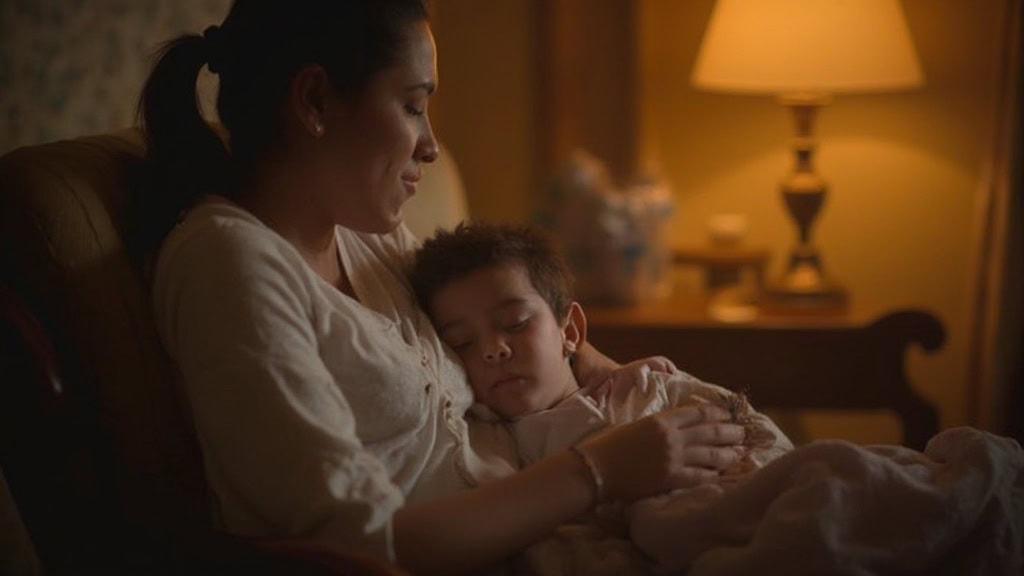
It’s 9 PM and you’re watching your child for the third time this week – pacing their room, unable to settle down despite an exhausting day. You’ve tried the warm bath, the bedtime story, the calming music. Nothing works.
Your heart aches as you see their little body wound so tight, always on high alert, reacting to the smallest sounds or changes as if the world is full of dangers. You’re exhausted from walking on eggshells, and deep down, you know this isn’t normal childhood behavior.
Your child seems stuck in fight or flight stress mode, and you’re desperate for answers.
You’re Not Alone in This Struggle
If this scenario sounds familiar, you’re joining thousands of parents in Austin and beyond who are discovering their child’s challenging behaviors aren’t just “phases” or discipline issues. Many children today are living in a constant state of stress response activation – their nervous systems stuck in “go mode” even when they’re safe at home.
As a neurologically-focused pediatric chiropractor serving South Austin, Manchaca, Buda, and surrounding areas, we see this pattern regularly. The good news? There’s hope, and there are proven strategies to help your child’s nervous system find balance again.
Research shows that many childhood behavioral and emotional challenges stem from an overactive stress response system. When we address the root cause – nervous system dysregulation – children often show dramatic improvements in sleep, behavior, focus, and emotional regulation.
What Happens When Your Child’s Stress Response Gets Stuck?
Your child’s fight or flight response is actually a beautiful protective mechanism. When working properly, it activates during real danger, floods their body with stress hormones to help them react quickly, then turns off when safety returns.
But what happens when this system gets stuck in the “on” position?
Your child’s autonomic nervous system – the part that controls automatic functions like heart rate, breathing, and digestion – remains in a constant state of high alert. Everyday situations like getting dressed, trying new foods, or hearing the doorbell trigger the same response as a real emergency.
Why Some Children Get Stuck in “Go Mode”
Several factors can cause a child’s stress response to become chronically activated:
- Birth trauma or complications during delivery
- Physical trauma from falls, accidents, or medical procedures
- Emotional stress from family changes, school pressures, or overwhelming environments
- Nervous system interference that disrupts brain-body communication
- Sensory processing challenges that make everyday inputs feel threatening
Your child isn’t choosing to be difficult. Their nervous system is genuinely perceiving danger where none exists, triggering involuntary survival responses.
Is Your Child Stuck in Fight or Flight Mode? Warning Signs to Watch
Recognizing the signs of chronic stress response is the first step toward helping your child. Every child is unique, but here are common patterns we see:
Sleep and Rest Issues
- Difficulty falling asleep (seeming “wired” at bedtime)
- Frequent night wakings or restless sleep
- Early morning wake-ups with high energy
- Inability to relax or “power down”
Behavioral Patterns
- Extreme reactions to minor disappointments
- Meltdowns that seem disproportionate to triggers
- Difficulty with transitions or changes in routine
- Constant movement, fidgeting, inability to sit still
Physical Symptoms
- Frequent stomachaches or digestive issues
- Headaches or muscle tension
- Picky eating or food sensitivities
- Getting sick frequently
Emotional and Social Challenges
- Difficulty making friends or social anxiety
- Excessive worry about everyday situations
- Trouble concentrating or following instructions
- Sensitivity to sounds, lights, or textures
If your child experiences sudden onset of symptoms, severe behavioral changes, persistent physical symptoms, or signs of depression or anxiety that interfere with daily life, consult your pediatrician alongside exploring nervous system support.
Ready to Help Your Child Find Their Calm?
At River City Wellness, Dr. Cody Capeloto specializes in helping children’s nervous systems shift from “go mode” to “calm mode” through gentle, neurologically-focused chiropractic care.
Schedule Your Child’s Consultation
Serving families in South Austin, Manchaca, Buda, Sunset Valley, and Circle C
7 Proven Ways to Help Your Child Break Free from Chronic Stress
1. Neurologically-Focused Chiropractic Care
Gentle chiropractic care focuses on removing interference from your child’s nervous system, helping restore proper brain-body communication. When the nervous system can communicate effectively, it’s easier for your child to shift from “go mode” to “calm mode.”
At River City Wellness in Austin, TX, we use specialized techniques designed specifically for children’s developing nervous systems. These gentle approaches help support the body’s natural ability to regulate stress and promote adaptability.
2. Create Predictable, Calming Routines
Children with overactive stress responses feel safer with predictable patterns. Establish consistent routines for:
- Morning wake-up sequences that start the day calmly
- Meal times and food preparation
- Bedtime rituals that promote nervous system calming
- Transition warnings before changes in activity
3. Breathing and Mindfulness Techniques
Teach your child simple breathing exercises that activate the “calm mode” of their nervous system:
- “Balloon breathing” – inhaling to inflate an imaginary balloon, exhaling to deflate it slowly
- “5-finger breathing” – tracing up and down their fingers while breathing
- Progressive muscle relaxation before bedtime
- Simple mindfulness activities like nature observation
4. Sensory Integration Support
Help your child’s nervous system process sensory information more effectively:
- Heavy work activities like pushing, pulling, or carrying
- Deep pressure input through weighted blankets or tight hugs
- Rhythmic movements like swinging or rocking
- Calming sensory tools like fidget toys or noise-canceling headphones
5. Nutrition for Nervous System Health
Certain nutrients support healthy nervous system function and stress load management:
- Magnesium-rich foods (leafy greens, nuts, seeds)
- Omega-3 fatty acids (fish, walnuts, flax seeds)
- B-complex vitamins (whole grains, legumes)
- Limit sugar and processed foods that can spike stress hormones
6. Physical Movement and Exercise
Regular physical activity helps metabolize stress hormones and promotes the release of calming neurotransmitters:
- Outdoor play in nature
- Swimming for full-body nervous system regulation
- Martial arts for focused movement and breathing
- Dance or yoga for mind-body connection
7. Environmental Modifications
Create a calming environment that supports your child’s nervous system regulation:
- Reduce visual clutter in their bedroom and play spaces
- Use soft lighting, especially in the evening
- Minimize background noise or provide white noise
- Create safe spaces where they can retreat when overwhelmed
What Parents Are Saying About Nervous System-Focused Care
“After just a few weeks of care at River City Wellness, our son went from having nightly meltdowns to actually looking forward to bedtime. His teacher can’t believe the change in his focus and behavior at school. Dr. Capeloto helped us understand that it wasn’t a behavior problem – his nervous system just needed support to find balance.”
How Long Does It Take to See Changes?
Every child is unique, but many parents notice improvements in their child’s ability to regulate stress within the first few weeks of consistent support. Some changes you might see include:
- Better sleep patterns and easier bedtimes
- Improved emotional regulation and fewer meltdowns
- Enhanced focus and attention
- Better social interactions and adaptability
- Reduced physical symptoms like stomachaches or headaches
Remember, helping a child’s nervous system find balance is a process. Consistency with supportive strategies – whether that’s chiropractic care, routine changes, or environmental modifications – is key to lasting improvements.
Frequently Asked Questions About Child Fight or Flight Stress
Can chiropractic care really help with my child’s stress response?
Neurologically-focused chiropractic care works by supporting optimal nervous system function. When there’s interference in the nervous system, it can contribute to an overactive stress response. Gentle chiropractic adjustments help restore proper communication between the brain and body, supporting the nervous system’s natural ability to regulate stress.
Is it normal for young children to have chronic stress responses?
While all children experience stress, chronic activation of the fight or flight response isn’t typical. Many factors in our modern world – from birth interventions to environmental stressors – can contribute to nervous system dysregulation in children. The good news is that children’s nervous systems are highly adaptable and responsive to the right support.
When should I be concerned about my child’s stress levels?
If your child’s stress responses are interfering with daily life – sleep, school, relationships, or family functioning – it’s worth exploring supportive options. Signs that warrant attention include persistent sleep issues, frequent emotional meltdowns, physical symptoms without clear medical cause, or difficulty adapting to normal childhood experiences.
Help Your Child Find Their Natural Calm
You don’t have to navigate your child’s stress and behavioral challenges alone. At River City Wellness, Dr. Cody Capeloto specializes in helping children’s nervous systems find balance through gentle, effective chiropractic care.
Our neurologically-focused approach has helped countless Austin families move from survival mode to thriving, supporting children’s natural ability to regulate stress and adapt to their world.
Ready to give your child the gift of a regulated nervous system?
Questions? Call us at (737) 348-0141
Proudly serving families in South Austin, Manchaca, Buda, Sunset Valley, Circle C, and surrounding areas