Is your child struggling with anxiety in Austin? As a parent, watching your child experience worry, panic, or fearfulness can leave you feeling helpless and desperate for real solutions. You’ve likely tried various approaches, but nothing seems to provide lasting relief. If you’re in South Austin, Circle C, or the surrounding areas, there’s hope you may not have considered yet. At River City Wellness, our neurologically-focused chiropractic approach addresses anxiety at its root cause rather than simply managing symptoms. Dr. Peter Martinez and Dr. Sean Forbes specialize in helping children overcome anxiety by supporting their nervous system’s natural ability to heal and regulate. This isn’t about quick fixes or temporary relief – it’s about discovering why your child’s nervous system is stuck in a state of stress and providing the gentle, specific care needed to help them thrive.
What Is Anxiety?
Anxiety is a persistent feeling of worry, fear, or uneasiness that interferes with daily activities and normal development in children. Unlike occasional nervousness, anxiety in children involves an overactive stress response that creates both physical and emotional symptoms. This condition affects the nervous system’s ability to properly regulate, leaving children in a constant state of fight-or-flight.
When a child experiences anxiety, their nervous system becomes stuck in sympathetic dominance. This means their body continuously prepares for danger, even when they’re safe. The result is a cascade of symptoms that impact sleep, behavior, learning, and social development.
Anxiety isn’t just “being worried” – it’s a neurological pattern that requires addressing the root cause. Many families in Austin find that traditional approaches focus on managing symptoms rather than supporting the nervous system’s natural ability to regulate and heal.
Signs and Symptoms of Anxiety in Children
Recognizing anxiety in children isn’t always straightforward, as symptoms can vary widely between kids. Here are the most common signs parents notice:
- Excessive worrying about everyday situations or future events
- Difficulty sleeping, frequent nightmares, or resistance to bedtime
- Physical complaints like stomachaches, headaches, or muscle tension
- Avoidance of social situations, school activities, or new experiences
- Emotional outbursts, meltdowns, or difficulty regulating emotions
- Perfectionist tendencies or fear of making mistakes
- Changes in appetite or eating patterns
- Seeking constant reassurance from parents or caregivers
- Difficulty concentrating or focusing at school
- Restlessness, fidgeting, or inability to sit still
If several of these symptoms sound familiar, your child’s nervous system may be stuck in a pattern that needs support to break free.
What Causes Anxiety? (The Root Cause)
Understanding what causes anxiety in children requires looking beyond surface-level symptoms to the nervous system itself. At River City Wellness, we’ve identified what we call the “Perfect Storm” – a combination of factors that create the foundation for anxiety disorders.
The Perfect Storm typically begins with birth trauma or prenatal stress. Even seemingly “normal” births can create subluxations (misalignments) in the upper cervical spine, particularly around the brainstem area. This initial stress to the nervous system sets the stage for future challenges.
Environmental stressors then compound this initial trauma. These might include ear infections requiring antibiotics, falls and bumps during development, emotional stress, dietary factors, or toxin exposure. Each stressor adds to the nervous system’s burden, eventually overwhelming its ability to adapt.
When subluxation occurs, particularly in the upper cervical region, it interferes with proper nervous system communication. The vagus nerve, which plays a crucial role in the body’s rest-and-digest response, becomes compromised. This leaves the child’s nervous system stuck in sympathetic dominance – a constant state of fight-or-flight that manifests as anxiety.
This neurological explanation reveals why anxiety often appears alongside other conditions. When the nervous system is dysregulated, it affects multiple body systems simultaneously.
How Neurologically-Focused Chiropractic Helps Anxiety
As an anxiety chiropractor in Austin, our approach at River City Wellness differs significantly from traditional anxiety treatments. Rather than managing symptoms, we focus on addressing the neurological root cause of your child’s anxiety through gentle, specific chiropractic care.
Our process begins with advanced INSiGHT scanning technology, which provides objective measurements of your child’s nervous system function. These scans reveal areas of subluxation and nervous system stress that may be contributing to anxiety symptoms. This technology allows us to see exactly how your child’s nervous system is functioning and track improvements over time.
Once we identify areas of concern, Dr. Martinez and Dr. Forbes provide gentle, specific pediatric adjustments designed to remove subluxation and restore proper nervous system communication. These adjustments are incredibly gentle – often feeling like a light touch to adults and even lighter for children.
Research suggests that specific chiropractic adjustments can support vagus nerve function, helping shift the nervous system from sympathetic dominance back toward parasympathetic balance. Many families notice improvements in their child’s ability to handle stress, regulate emotions, and feel calm in their daily lives.
Our experience shows that children with anxiety often have other related challenges. We frequently work with families dealing with ADHD, sleep issues, behavioral issues, and headaches, as these conditions often share similar neurological root causes.
The goal isn’t just symptom relief – it’s supporting your child’s nervous system to function optimally, allowing their natural healing and regulatory abilities to emerge.
Could neurologically-focused chiropractic help your child with anxiety?
Call us at (737) 348-0141 or schedule your child’s assessment online.
What to Expect at Your Child’s First Visit
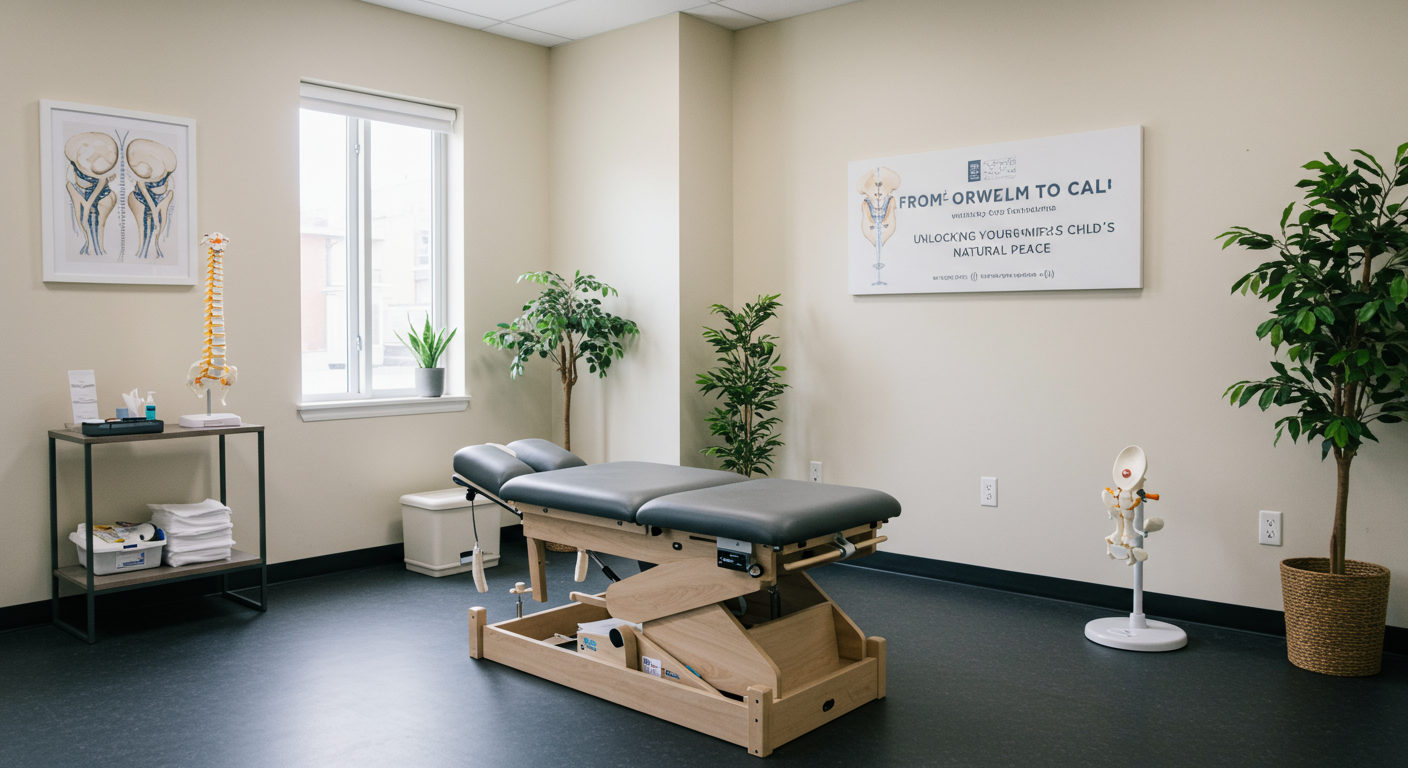
We understand that bringing your anxious child to a new healthcare provider can feel overwhelming. At our South Austin location, we’ve created a calm, welcoming environment designed to help both you and your child feel comfortable from the moment you walk in.
Your first visit begins with an in-depth consultation where Dr. Martinez or Dr. Forbes will listen to your family’s story without judgment. We want to understand your child’s health history, current challenges, and your goals for their care. This conversation helps us see the bigger picture of your child’s health.
Next, we’ll perform our comprehensive INSiGHT neurological scan. These scans are completely non-invasive and painless – most children find them interesting rather than scary. The technology measures how your child’s nervous system is functioning and identifies areas of stress or dysfunction.
During your report of findings visit, we’ll review the scan results and explain exactly what we discovered about your child’s nervous system. If we believe we can help, we’ll outline a customized care plan designed specifically for your child’s needs. Our practice serves families throughout South Austin, including Circle C, Sunset Valley, Oak Hill, Barton Creek, and Manchaca, and we’re committed to making care accessible and understandable for every family.
Frequently Asked Questions About Anxiety
Is chiropractic safe for children with anxiety?
Yes, neurologically-focused chiropractic care is extremely safe for children with anxiety. Our pediatric adjustments are incredibly gentle – much lighter than what adults receive. The techniques we use are specifically designed for children’s developing spines and nervous systems. Many parents are surprised by how gentle the adjustments are, often describing them as light touches rather than the “popping” they might expect from traditional chiropractic care.
How long until I see results with my anxious child?
Every child responds differently to neurologically-focused chiropractic care. Some families notice changes within the first few weeks, while others see gradual improvements over several months. The timeline often depends on how long the nervous system dysfunction has been present and your child’s overall health. We use our INSiGHT scanning technology to track objective improvements in nervous system function, which helps us monitor progress even before symptoms change.
Does insurance cover chiropractic care for childhood anxiety?
Insurance coverage varies significantly between plans and providers. Many insurance plans do cover chiropractic care, though coverage for pediatric care may differ from adult benefits. We’re happy to verify your benefits and help you understand your coverage options. We also offer flexible payment plans because we believe every child deserves access to natural healthcare that addresses root causes rather than just managing symptoms.
What age children can receive chiropractic care for anxiety?
We provide neurologically-focused chiropractic care for children of all ages, from newborns through teenagers. Our techniques are adapted for each child’s age, size, and developmental stage. Infants receive the gentlest care possible, while older children and teens may receive slightly more involved adjustments as appropriate. Dr. Martinez and Dr. Forbes have extensive training in pediatric chiropractic care and understand how to work with children at every developmental stage.
How does chiropractic care compare to anxiety medication for children?
Neurologically-focused chiropractic care and medication work in fundamentally different ways. Medications typically manage anxiety symptoms by altering brain chemistry, while our approach addresses potential nervous system dysfunction that may be contributing to anxiety. Many families choose chiropractic care because they prefer natural approaches that support the body’s healing abilities. We work alongside other healthcare providers and never recommend stopping prescribed medications without consulting your child’s prescribing physician.
Can you help if my child has anxiety and other behavioral issues?
Yes, we frequently work with children who have multiple challenges including anxiety, ADHD, behavioral issues, and sleep problems. This makes sense from a neurological perspective – when the nervous system is dysregulated, it often affects multiple areas of function simultaneously. Our comprehensive approach addresses the underlying nervous system dysfunction that may be contributing to several different symptoms your child is experiencing.
Take the Next Step for Your Child
Watching your child struggle with anxiety is heartbreaking, but you don’t have to navigate this journey alone. Families throughout South Austin have discovered hope through neurologically-focused chiropractic care at River City Wellness. Dr. Martinez and Dr. Forbes understand the complexities of childhood anxiety and are committed to helping your child’s nervous system function at its best.
Your child’s anxiety isn’t their fault, and it’s not your fault as a parent. Sometimes the nervous system simply needs support to break free from patterns that no longer serve your child’s health and development. Our gentle, specific approach has helped many families in Austin find the natural relief they’ve been searching for.
Ready to explore whether neurologically-focused chiropractic care could help your child with anxiety? We’re here to answer your questions and support your family’s journey toward better health.
Your child deserves to thrive — not just survive.
Call River City Wellness at (737) 348-0141 or book your visit online today.
Related Articles
- Natural Anxiety Help for Kids: 7 Proven Ways to Calm Your Child Without Medication
- Child Sensitive to Everything: 7 Proven Natural Ways to Help Your Overwhelmed Child
- Natural Treatment for Childhood Allergies Austin: 7 Proven Methods That Actually Work for Your Child
- Child Survival Mode: Discover 7 Proven Signs Your Child’s Nervous System Is Stuck
- Understanding Anxiety in Children Austin: A Parent’s Guide to Supporting Your Worried Child