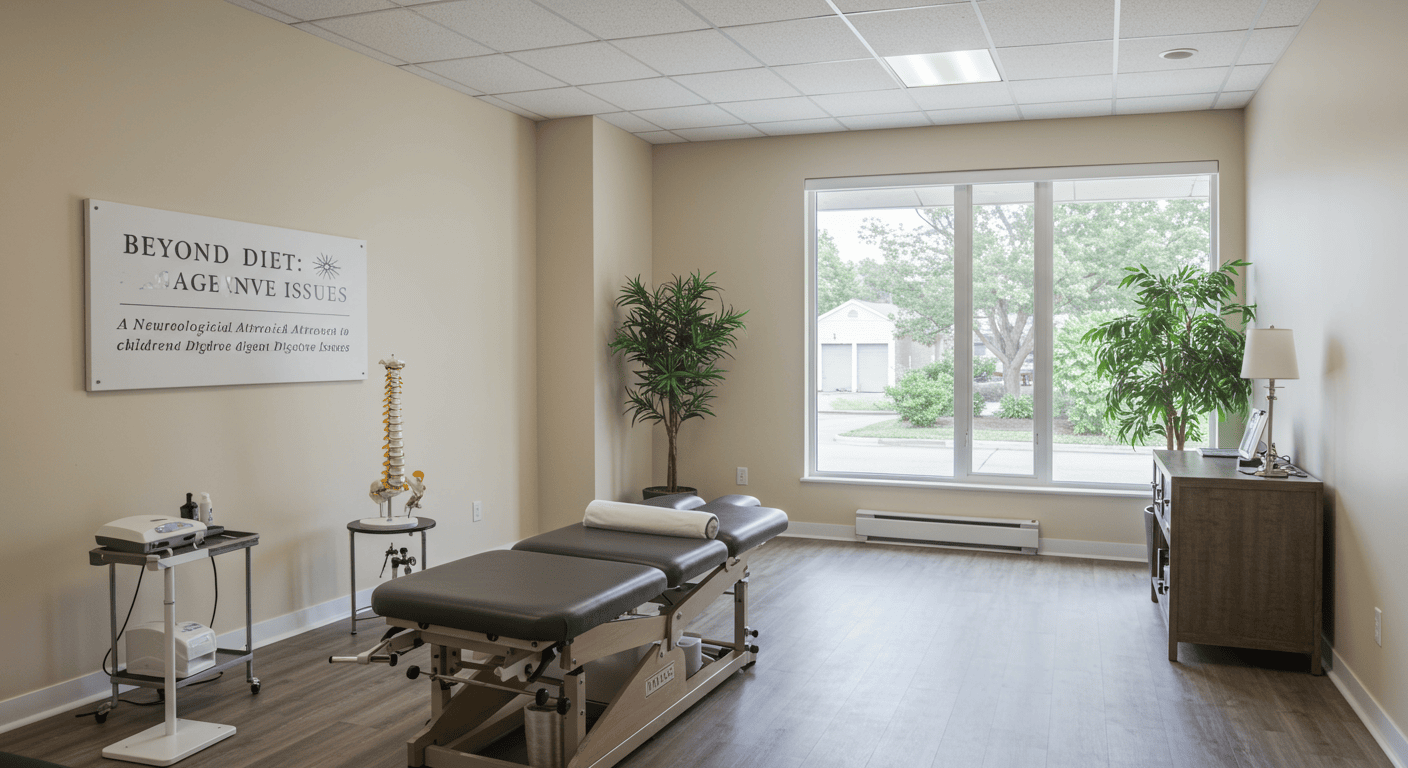
Is your child struggling with digestive issues in Austin? If you’re a parent watching your little one deal with ongoing stomach problems, irregular bowel movements, or frequent discomfort after meals, you’re not alone. Many families in South Austin and Circle C have found themselves searching for answers when traditional approaches only address symptoms temporarily. At River City Wellness, our neurologically-focused chiropractic approach looks deeper than surface symptoms to address the root cause of your child’s digestive struggles. Dr. Peter Martinez and Dr. Sean Forbes understand that when your child’s nervous system isn’t functioning optimally, it can create a cascade of digestive challenges that impact your entire family’s quality of life.
What Are Digestive Issues?
Digestive issues are a collection of symptoms that occur when the digestive system in children isn’t working properly. These problems can range from mild discomfort to severe symptoms that disrupt daily life. The digestive system relies heavily on proper nervous system function to coordinate everything from stomach acid production to intestinal movement.
When children experience digestive issues, their bodies struggle to break down food, absorb nutrients, or eliminate waste effectively. This creates a cycle where poor digestion leads to discomfort, which can trigger stress responses that further disrupt digestive function. Understanding this connection between the nervous system and digestive health is key to finding lasting solutions.
Signs and Symptoms of Digestive Issues in Children
Parents often recognize these common signs that indicate their child may be dealing with digestive issues:
- Frequent stomach aches or complaints of “tummy hurt”
- Irregular bowel movements (constipation or loose stools)
- Excessive gas, bloating, or abdominal distension
- Food sensitivities or reactions to certain foods
- Poor appetite or sudden changes in eating habits
- Nausea or vomiting after meals
- Sleep disruption due to digestive discomfort
- Behavioral changes like irritability or mood swings around mealtimes
- Difficulty gaining weight or failure to thrive
- Frequent complaints of being “too full” or “too hungry”
What Causes Digestive Issues? (The Root Cause)
Many parents wonder what causes digestive issues in children, especially when symptoms seem to appear without obvious triggers. The answer often lies in what we call “The Perfect Storm” – a combination of factors that create nervous system dysfunction.
This perfect storm typically includes birth trauma (even seemingly “normal” births can create stress on a baby’s nervous system), ongoing environmental stressors, and subluxations in the spine that interfere with nerve communication. When these factors combine, they can leave your child’s nervous system stuck in a state of fight-or-flight response, known as sympathetic dominance.
One of the most critical factors is vagus nerve dysfunction. The vagus nerve is often called the “rest and digest” nerve because it controls many digestive functions including stomach acid production, intestinal movement, and the release of digestive enzymes. When subluxations in the upper neck interfere with vagus nerve function, the entire digestive process can become disrupted.
This creates a cascade effect where poor nerve communication leads to digestive dysfunction, which creates inflammation and stress, which further disrupts nervous system function. Breaking this cycle requires addressing the root neurological dysfunction rather than simply managing symptoms.
How Neurologically-Focused Chiropractic Helps Digestive Issues
When searching for a digestive issues chiropractor in Austin, many families discover that our neurologically-focused approach offers something different from traditional symptom management. At River City Wellness, we use advanced INSiGHT scanning technology to objectively measure your child’s nervous system function and identify areas of dysfunction.
Our approach focuses on gentle, specific pediatric adjustments designed to address subluxations at their source. Research suggests that by removing interference in the nervous system, many families notice improvements in their child’s ability to digest food properly and maintain regular bowel function. Our experience shows that supporting vagus nerve function through precise chiropractic care can help restore the body’s natural ability to coordinate digestive processes.
Dr. Martinez and Dr. Forbes understand that each child’s nervous system is unique, which is why we create individualized care plans based on objective neurological findings. By supporting your child’s neuroplasticity – the brain’s ability to form new neural pathways – we help create lasting changes rather than temporary relief.
Many digestive issues are interconnected with other conditions. Children dealing with digestive problems often also experience constipation, reflux, colic, or allergies. This is because all of these conditions often share the same root cause – nervous system dysfunction affecting the body’s ability to coordinate normal physiological processes.
Could neurologically-focused chiropractic help your child with digestive issues?
Call us at (737) 348-0141 or schedule your child’s assessment online.
What to Expect at Your Child’s First Visit
We understand that bringing your child to a new healthcare provider can feel overwhelming, especially when you’ve been searching for answers to their digestive issues. Our first visit process is designed to be thorough yet comfortable for both you and your child.
During the initial consultation, Dr. Martinez or Dr. Forbes will listen carefully to your child’s health history and your concerns without judgment. We know you’ve likely tried multiple approaches already, and we want to understand what has and hasn’t worked. Next, we’ll perform our comprehensive INSiGHT neurological scan, which is completely painless and provides objective data about how your child’s nervous system is functioning.
After reviewing the scan findings with you, we’ll create a customized care plan specific to your child’s neurological needs. Families from Circle C, Sunset Valley, Oak Hill, Barton Creek, and Manchaca choose our South Austin location because they know they’ll receive individualized attention focused on addressing root causes rather than just managing symptoms.
Frequently Asked Questions About Digestive Issues
Is chiropractic care safe for children with digestive issues?
Yes, pediatric chiropractic care is extremely safe when performed by doctors trained in neurologically-focused techniques. Our adjustments use gentle pressure similar to what you’d use to test the ripeness of a tomato. The techniques we use are specifically designed for children’s developing nervous systems and have been safely used for decades.
How long before I see improvements in my child’s digestive issues?
Every child responds differently based on their individual nervous system function and how long they’ve been dealing with digestive challenges. Some families notice changes within the first few weeks of care, while others may see gradual improvements over several months. We track progress using follow-up neurological scans to objectively measure nervous system changes.
Does insurance cover chiropractic care for children’s digestive issues?
Many insurance plans do cover chiropractic care, though coverage varies by plan. Our team will help you understand your benefits and work with you to make care affordable. We also offer flexible payment options because we believe every child deserves access to neurologically-focused care.
What age children can receive chiropractic care for digestive problems?
We provide care for children of all ages, from newborns to teenagers. Our techniques are adapted based on your child’s age, size, and specific neurological needs. Even newborns can safely receive gentle chiropractic care to address birth trauma that may be contributing to digestive dysfunction.
How is this different from giving my child probiotics or changing their diet?
While probiotics and dietary changes can be helpful, they often address symptoms rather than the root neurological dysfunction causing digestive issues. Our approach focuses on restoring proper nervous system function so your child’s body can naturally coordinate digestive processes. This often makes dietary interventions and supplements more effective because the nervous system can properly utilize them.
Can you help if my child has been diagnosed with a specific digestive condition?
We work with children who have various digestive diagnoses by focusing on supporting optimal nervous system function. While we don’t treat specific diseases, we help the body function at its highest potential by removing nervous system interference. Many families find this supportive approach complements their child’s other healthcare interventions.
Take the Next Step for Your Child
You’ve been searching for answers to help your child feel better, and you’ve found a place where other South Austin families have discovered hope. At River City Wellness, we understand the frustration of watching your child struggle with digestive issues while feeling like you’ve tried everything.
Dr. Martinez and Dr. Forbes have helped hundreds of families in the Austin area address the root neurological causes of digestive dysfunction. You don’t have to navigate this journey alone, and your child doesn’t have to continue struggling with digestive discomfort.
Our neurologically-focused approach offers families throughout South Austin, including those from Circle C, Sunset Valley, Oak Hill, Barton Creek, Manchaca, South Congress, Buda, Kyle, and Dripping Springs, a different path forward – one that addresses root causes rather than just managing symptoms.
Your child deserves to thrive — not just survive.
Call River City Wellness at (737) 348-0141 or book your visit online today.
Related Articles
- Natural ADHD Help for Austin Children: Beyond Medication Approaches
- Finding Childhood Eczema Help: A Neurologically-Focused Approach for Your Little One’s Skin
- Understanding Sensory Issues in Children: When Your Little One’s World Feels Too Much or Too Little
- Gentle Healthcare Approaches for Your Child
- Vagus Nerve Disorders: 7 Proven Connections to Your Child’s Neurological Challenges