

You’ve tried everything. Occupational therapy, countless fine motor activities, endless practice sessions. Yet your child still struggles to hold a pencil properly, can’t button their shirt, or masters a skill one day only to lose it the next.
If this sounds familiar, you’re not alone. Fine motor delays affect 30% of children, and for many Austin families, more practice isn’t the answer.
The real issue? Your child’s nervous system may be stuck in “go mode” (fight-or-flight), making it nearly impossible for motor learning to actually happen effectively.
What Are Fine Motor Skills Really?
Fine motor skills are the small muscle movements that help your child navigate daily life – buttoning shirts, cutting with scissors, writing their name, and feeding themselves independently.
These skills depend on clear brain-to-body communication through the nervous system, coordinating eight key components:
- Pincer grasp (thumb and finger coordination)
- Bilateral coordination (using both hands together)
- Hand strength and endurance
- Arch development in the palm
- Wrist stability and rotation
- Finger isolation (moving fingers independently)
- Eye-hand coordination
- In-hand manipulation (moving objects within the hand)
What Does Typical Fine Motor Development Look Like?
Here’s what you can generally expect as your child’s nervous system matures and their brain-body communication develops:
Ages 1-2 Years
- Scribbles with large crayons
- Turns pages in books
- Stacks 2-4 blocks
- Feeds themselves with fingers
Ages 3-4 Years
- Copies simple shapes
- Uses scissors with help
- Buttons large buttons
- Holds crayon with fingers (not fist)
Ages 5-6 Years
- Copies letters and numbers
- Cuts along lines
- Ties shoes with practice
- Shows tripod pencil grasp
Ages 7-8 Years
- Writes legibly without fatigue
- Completes intricate crafts
- Types on keyboard
- Shows consistent skill performance
Why Are More Austin Kids Struggling?
Several factors are making it harder for children’s nervous systems to develop the calm, regulated state needed for motor learning:
- Increased screen time: 88.2% of children aged 0-2 now have daily screen time, replacing hands-on sensory play
- Reduced tactile experiences: Safety concerns have removed small objects that naturally develop pincer grasp
- Less outdoor play: Decreased opportunities for proprioceptive input that regulates the nervous system
- Academic pressure: Pushing writing skills before the nervous system is ready
When a child’s nervous system is stuck in “go mode” – that stressed, hypervigilant state – their body prioritizes survival over skill development, no matter how much they practice.

When Should You Be Concerned About Fine Motor Delays?
Watch for these signs that your child’s nervous system might need support:
Red Flags That Go Beyond Normal Development
- Extreme frustration that seems disproportionate to the task
- Completely avoiding fine motor activities
- Mastering a skill one day but unable to do it the next
- No progress despite months of consistent practice
- Physical symptoms like headaches or stomachaches during fine motor tasks
Important: If your child shows sudden loss of previously mastered skills, persistent pain during activities, or extreme behavioral changes around fine motor tasks, consult your pediatrician to rule out underlying medical concerns.
Is Your Child’s Nervous System Ready for Learning?
If you’ve been working on fine motor skills without seeing consistent progress, your child’s nervous system might need support getting into “calm mode” first. Dr. Peter Martinez helps Austin families understand how nervous system regulation impacts development.
Fine Motor Activities That Support Nervous System Regulation
The key is choosing activities that provide organizing sensory input to help shift your child’s nervous system into “calm mode” where motor learning can actually happen.
For Babies and Toddlers (Ages 0-3)
Focus on activities that provide rich sensory feedback to help organize the developing nervous system:
- Peeling stickers: Develops pincer grasp while providing tactile input that helps nervous system regulation
- Playing with Play-Doh: The resistance provides proprioceptive input that calms the nervous system
- Water play: Pouring and scooping gives organizing sensory feedback
- Finger painting: Messy play helps the nervous system map hand position and pressure
- Opening containers: Twisting and popping provides proprioceptive input
- Transferring objects with tongs: Builds coordination while giving organizing feedback
For Preschoolers (Ages 3-5)
Choose activities that challenge skills while keeping the nervous system regulated:
- Clothespin games: Clipping pins around container edges builds strength and provides proprioceptive input
- Cutting with scissors: Start with play-dough, progress to paper as nervous system adapts
- Lacing cards: Develops bilateral coordination in a calm, focused way
- Hole puncher activities: Significant proprioceptive input helps regulate while building strength
- Threading beads: Create patterns while developing coordination
For School-Age Children (Ages 5-8)
Focus on activities that build skills while maintaining nervous system regulation:
- Small LEGO projects: Requires precision while staying engaging
- Origami: Develops coordination and provides focusing, calming input
- Board games: Make practice fun while building controlled movements
- Cooking activities: Real-world application with organizing sensory input
- Perler beads: Tiny beads require precision but provide satisfying completion
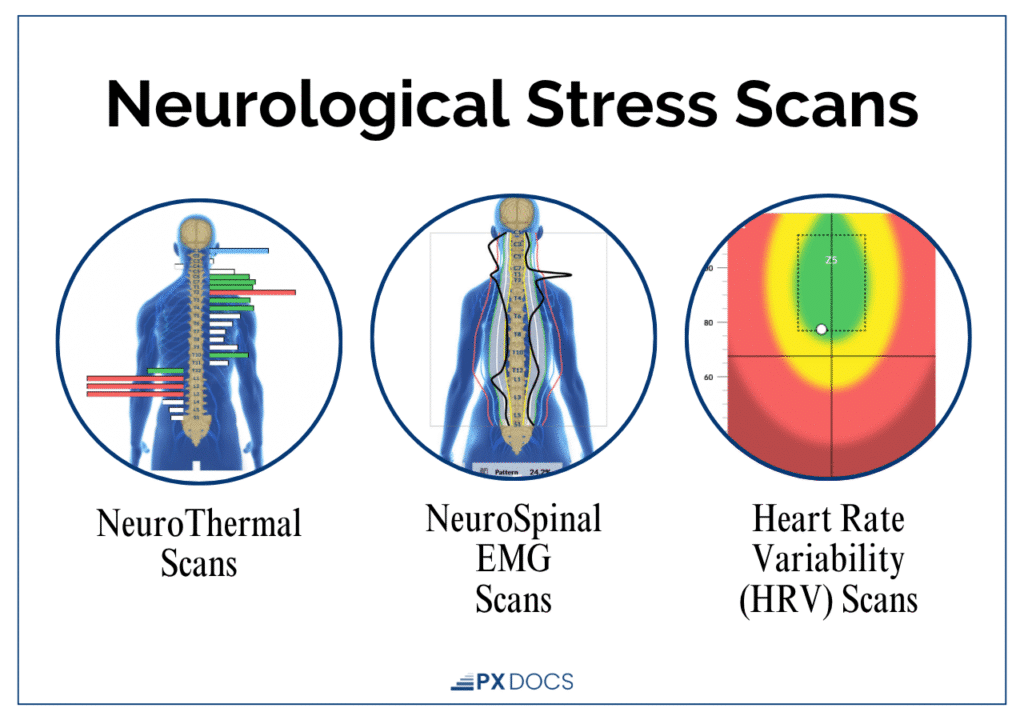
When Practice Isn’t Enough: Understanding Nervous System Dysregulation
Here’s the key insight many Austin parents discover: if your child’s performance varies wildly from day to day with no clear pattern, it’s likely not a skill issue – it’s a nervous system regulation issue.
Signs the Nervous System Needs Support First
- Inconsistent performance despite regular practice
- Meltdowns or extreme resistance to fine motor activities
- Physical tension or fatigue during simple tasks
- Difficulty with activities that should be automatic
- Progress that seems to disappear overnight
When a child’s nervous system is stuck in sympathetic dominance (fight-or-flight), their brain prioritizes survival over learning new motor patterns. No amount of practice will create lasting improvement until the nervous system can shift into a regulated, learning-ready state.
How We Help Austin Families at River City Wellness
At River City Wellness, Dr. Peter Martinez focuses on helping your child’s nervous system shift out of “go mode” and into the calm, regulated state where motor learning can actually happen.
Through gentle, specific adjustments that influence nervous system function, we help improve the brain-body communication that’s essential for developing fine motor skills. When the nervous system is regulated, children often show:
- More consistent performance day-to-day
- Better tolerance for challenging tasks
- Improved focus and attention during activities
- Less frustration and more confidence
- Faster skill acquisition with practice
We serve families throughout South Austin, Manchaca, Buda, Sunset Valley, and Circle C, helping children’s nervous systems find the regulation they need for healthy development.
Frequently Asked Questions About Fine Motor Development
How long should my child practice fine motor activities each day?
Short, frequent sessions work better than long practice periods. Five to ten minutes of focused activity beats hour-long sessions, especially when the nervous system is dysregulated.
When should I be concerned about fine motor delays?
If your child is more than 6 months behind developmental milestones, shows extreme frustration with age-appropriate tasks, or has wildly inconsistent performance despite practice, consider having their nervous system function evaluated.
Can screen time really affect fine motor development?
Yes. Excessive screen time can keep the nervous system in a hypervigilant state and reduces the hands-on sensory experiences that naturally develop fine motor skills and nervous system regulation.
What’s the connection between the nervous system and motor skills?
All movement requires clear communication between the brain and body. When the nervous system is stuck in fight-or-flight mode, this communication becomes less efficient, making it harder to learn and retain new motor patterns.
Ready to Support Your Child’s Development?
If your child has been practicing fine motor skills without consistent improvement, their nervous system might need support shifting into a calm, learning-ready state.
Dr. Peter Martinez and our team at River City Wellness specialize in helping Austin families understand how nervous system regulation impacts development and learning.
Schedule Your Consultation Today
Call us at (737) 348-0141
Serving South Austin, Manchaca, Buda, Sunset Valley & Circle C