

As a parent, you know your baby better than anyone. When something feels different about their development, that instinct is worth trusting. Many early developmental concerns get dismissed as “normal,” but parents often notice differences long before formal screenings happen.
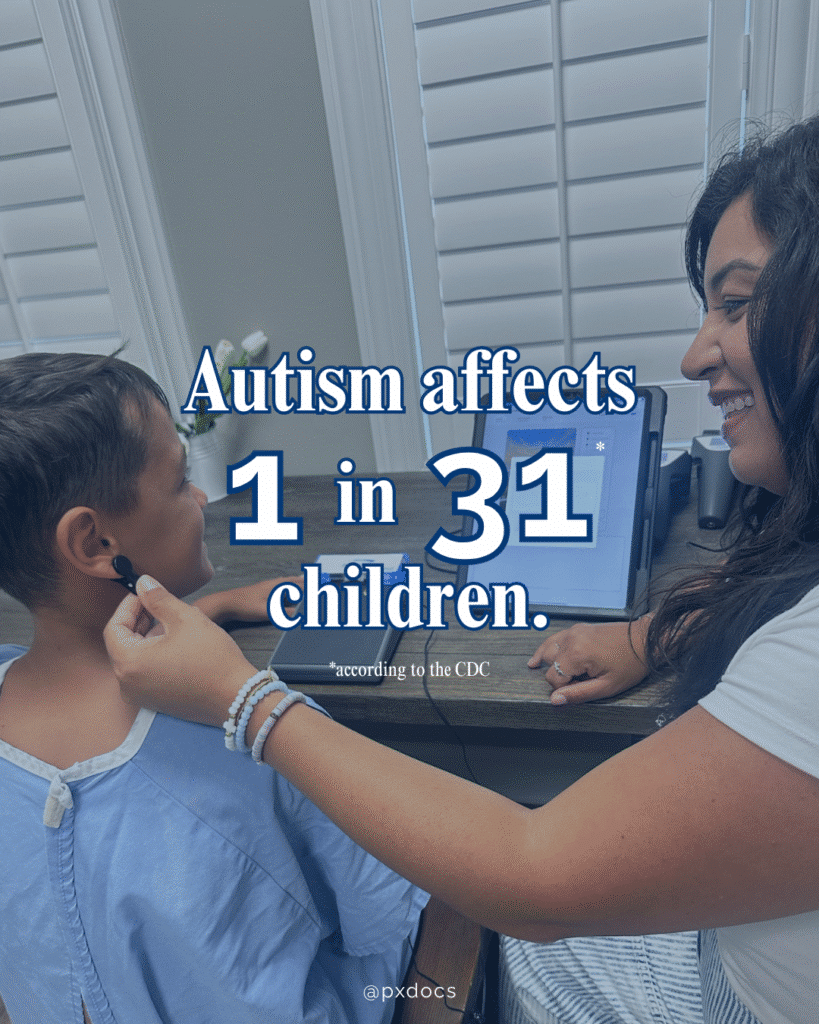
Today, 1 in 31 children is diagnosed with autism, and the signs pediatricians watch for at 18-24 months are usually not the beginning – they’re the point where underlying issues become visible. Understanding what to look for can help you advocate for your child and seek support early when it matters most.
Why Early Recognition Matters for Your Baby’s Development
Early support dramatically improves outcomes. Children who receive intervention during those critical early years, when brain plasticity is highest, develop more skills, greater independence, and better quality of life.
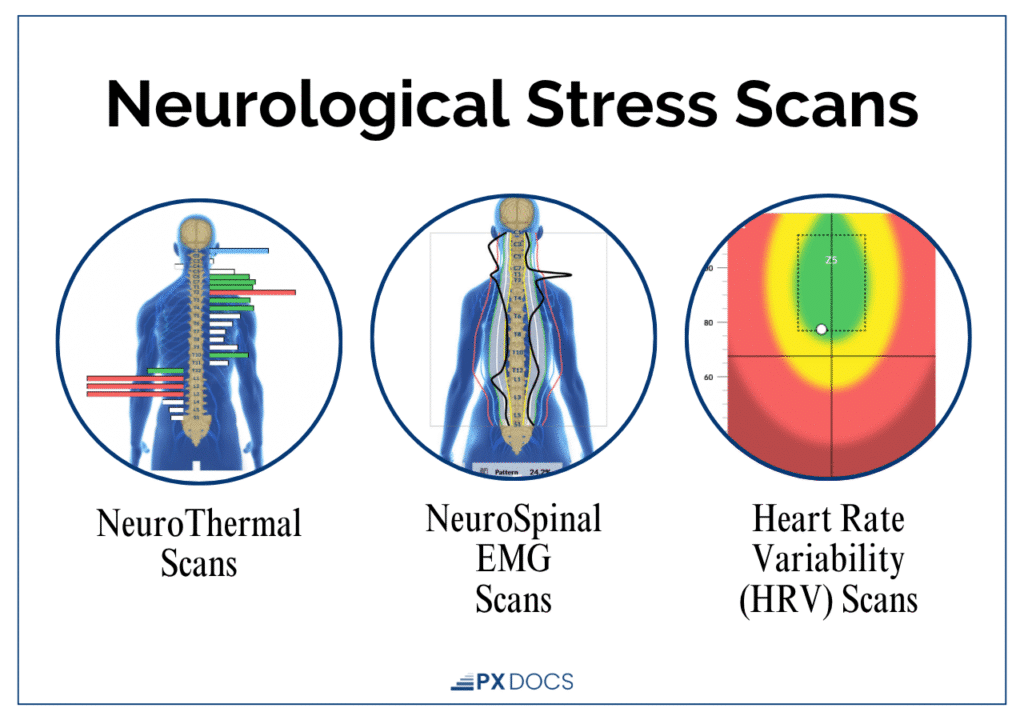
But here’s what most discussions miss: developmental differences don’t start with behavior. They start with nervous system dysregulation that eventually shows up as behavioral differences. When your baby’s nervous system is stuck in “go mode” (sympathetic dominance), it affects their ability to connect, communicate, and learn.
Understanding this nervous system foundation changes how we approach support from day one.
What Is Autism Spectrum Disorder?
Autism Spectrum Disorder (ASD) is a neurodevelopmental condition that affects how a child communicates, interacts socially, and processes their environment. The word “spectrum” reflects the wide range of abilities and challenges – no two children with autism present identically.
Autism is diagnosed through behavioral observation using specific criteria. There’s no blood test or brain scan. Healthcare professionals watch how your child communicates, plays, and interacts, comparing what they see to expected developmental milestones.
What’s often missing from these discussions is how nervous system regulation affects every aspect of development. When the brain-body communication system isn’t working smoothly, it impacts a child’s ability to engage with their world.
Understanding Normal Development Milestones
Before we talk about what’s different, you need to know what’s typical. These are ranges, not rigid deadlines, but when multiple developmental milestones are delayed across several areas, it’s worth paying attention.
0-6 Months: Building the Foundation
- Social smiling by 2-3 months
- Eye contact during feeding and play
- Cooing and responding to voices
- Turning toward familiar people
6-12 Months: Social Engagement Emerges
- Babbling by 9 months
- Responding to name consistently
- Gestures like waving and pointing
- Following your gaze to see what you’re looking at
12-18 Months: Communication Takes Off
- First words with clear meaning
- Pointing to show you interesting things
- Simple pretend play begins
- Imitating your actions and sounds
18-24 Months: Complex Skills Develop
- Two-word phrases (“more milk,” “daddy go”)
- Complex pretend play
- Interest in other children
- Following simple two-step instructions
These milestones depend on one critical system functioning properly: the nervous system. When that system is dysregulated from birth, you’ll see delays across multiple areas.

Early Autism Signs in Babies by Age
These are the patterns that suggest a child might be developing autism. We’re looking for multiple signs across different areas, not isolated behaviors. Remember, if you notice several of these patterns, it’s important to discuss them with your pediatrician.
Birth to 6 Months: Nervous System Regulation Challenges
These aren’t “autism signs” yet – they’re signs that your baby’s nervous system is struggling to find calm, regulated states:
- Limited eye contact during feeding: Most babies naturally look at parents’ faces while nursing or bottle-feeding
- No social smiling by 2-3 months: That first responsive smile is a huge developmental milestone
- Doesn’t turn toward parents’ voice: By 3-4 months, babies should orient toward familiar voices
- Extreme fussiness: Persistent crying, difficulty being soothed, or seeming uncomfortable in their own body
- Sensory sensitivities: Startling excessively at normal sounds, distress in bright environments, or extreme reactions to gentle touch
Your baby’s stress response system may be stuck “on,” making it hard for them to access the calm state needed for social engagement and learning.
Ready to learn more about supporting your baby’s nervous system development?
At River City Wellness, we help Austin families understand how nervous system regulation affects your child’s ability to meet developmental milestones. Our gentle, pediatric-focused approach can help your baby’s system find better balance.
Schedule a Consultation or call us at (737) 348-0141.
6-12 Months: The Gap Starts Widening
Other babies are babbling, waving, and responding to their names. If your baby isn’t doing these things consistently, it may signal nervous system challenges:
- No babbling by 9 months: Delayed babbling affects both speech development and the social drive to communicate
- Doesn’t respond to name by 9 months: One of the earliest, most reliable early indicators
- No pointing, waving, or gestures: Babies typically use gestures before words to communicate
- Limited facial expressions: Expressions may be limited, flat, or don’t match the situation
- Doesn’t follow your gaze: Joint attention (looking where you’re looking) is missing
- Unusual reactions to sounds: Either over-reactive or under-reactive to everyday noises
This is when sympathetic nervous system dominance becomes more obvious. Your baby’s “gas pedal” is floored, and the “brake pedal” isn’t engaging properly.
12-18 Months: Developmental Gaps Become Clear
The nervous system challenges that started earlier now affect multiple areas of development:
- Fewer than 6 words by 18 months: Significant speech delay becomes apparent
- No pretend play or imitation: Simple pretend play and copying your actions are absent
- Doesn’t point to show interest: Joint attention (“Look at that dog!”) is missing
- Prefers solitary play: Consistently ignores people and prefers playing alone
- Loss of previously learned skills: Regression in any area is concerning
- Intense attachment to objects: Extreme attachment to unusual items or toys
18-24 Months: When Many Parents Seek Answers
Most pediatricians wait until 24 months to evaluate, but early nervous system support can begin much sooner:
- No two-word phrases by 24 months: Simple combinations like “more milk” or “daddy go” aren’t appearing
- Limited interest in other children: Shows no interest in peers, doesn’t watch or respond to them
- Extreme need for routine: Small changes trigger intense meltdowns
- Repetitive movements: Hand flapping, spinning, rocking, or head banging (stimming behaviors)
- Persistent toe walking: Walking on toes consistently past 18-24 months
- Unusual play patterns: Lines up toys obsessively instead of functional play
Other Common Signs Across All Ages
These patterns can show up from infancy through toddlerhood, pointing to nervous system dysregulation:
Sensory Processing Differences
- Either sensory-seeking (craving intense input) or sensory-avoiding (withdrawing from touch, sounds, textures)
- Extreme reactions to clothing tags, food textures, or everyday sounds
- Seeking or avoiding movement experiences
Sleep and Feeding Challenges
- Persistent difficulty falling asleep or staying asleep
- Extreme texture aversion with foods
- Severe food selectivity beyond typical pickiness
- Difficulty transitioning between sleep and wake states
These aren’t just “difficult baby” behaviors – they’re signs that your child’s nervous system is struggling to process and respond to their environment appropriately.
When Should You Be Concerned?
Trust your instincts as a parent. If you notice several of these signs, especially across multiple areas of development, it’s worth discussing with your pediatrician. Early intervention makes a significant difference.
Seek immediate medical attention if your child:
- Loses any skills they previously had (regression)
- Shows sudden changes in behavior or development
- Has concerning physical symptoms alongside developmental delays
- Stops responding to their name completely
Remember, you know your child best. Advocating for evaluation and support is always better than waiting and wondering.
How Nervous System Support Can Help
Understanding that developmental differences often stem from nervous system dysregulation opens up new possibilities for support. When we help a child’s nervous system find better balance between “go mode” and “calm mode,” we often see improvements in:
- Sleep quality and duration
- Ability to be soothed and regulated
- Sensory processing and tolerance
- Social engagement and eye contact
- Overall developmental progress
This nervous system-focused approach works alongside traditional therapies to give your child the best possible foundation for growth and development.
Supporting Your Child’s Development in Austin
At River City Wellness, we understand that every child’s developmental journey is unique. Dr. Peter Martinez specializes in gentle, nervous system-focused care that helps children’s bodies find the regulation they need for optimal development.
Our approach focuses on supporting brain-body communication through gentle techniques that help shift your child’s nervous system out of chronic “go mode” and into the calm, connected state where learning and development flourish.
We work with families throughout Austin, South Austin, Manchaca, Buda, Sunset Valley, and Circle C to provide the supportive care your child deserves.
Ready to learn how nervous system support can help your child thrive?
Schedule your consultation today or call us at (737) 348-0141. Let’s work together to give your child the best possible foundation for their developmental journey.