If your child struggles with anxiety, you know how heartbreaking it can be to watch them suffer. Maybe they have meltdowns over small changes, cling to you at drop-off, or wake up with stomachaches before school. You’ve probably tried breathing exercises, reward charts, and maybe even therapy-but the anxiety keeps showing up.
Here’s what many Austin parents don’t realize: childhood anxiety isn’t just “in their head.” It’s often rooted in a dysregulated nervous system that’s stuck in “go mode” or fight-or-flight response. When we address the nervous system directly through gentle regulation activities, we can help children find lasting calm from the inside out.
In this article, you’ll learn practical nervous system regulation activities you can use at home, why these strategies work, and how addressing the root cause creates real, sustainable change for anxious kids.
Why Is My Child’s Nervous System Stuck in Fight-or-Flight Mode?
Your child’s nervous system acts like a control center, constantly scanning for safety or danger. When it detects a threat-real or perceived-it triggers the stress response we know as anxiety. For some children, this alarm system gets stuck in the “on” position.
Their bodies remain in a state of high alert even when they’re safe at home, playing with friends, or getting ready for bed. This isn’t a choice or a character flaw-it’s a physiological state where their brain-body communication is disrupted.
What Causes Nervous System Dysregulation in Children?
- Birth trauma or difficult delivery
- Falls and injuries from normal childhood activities
- Chronic stress in the home environment
- Disrupted sleep patterns
- Sensory overload from busy modern life
- Emotional stress or big life changes
Understanding this helps us see that anxiety often has a physical component. When we help the nervous system shift from “go mode” to “calm mode,” anxiety naturally decreases and children become more resilient and adaptable.
Ready to help your child find lasting calm? At River City Wellness, Dr. Peter Martinez specializes in gentle nervous system care for anxious children. Our approach helps restore healthy brain-body communication so your child can naturally regulate their stress response.
Schedule a consultation or call (737) 348-0141 to learn more about supporting your child’s nervous system naturally.
What Movement Activities Help Regulate an Anxious Child’s Nervous System?
Movement is one of the most powerful tools for nervous system regulation. Physical activity helps discharge stress hormones and activates the calming parasympathetic nervous system, shifting your child from “go mode” to “calm mode.”
Heavy Work Activities for Deep Nervous System Calming
Heavy work involves activities that provide deep pressure input to muscles and joints. These activities are incredibly organizing for an anxious nervous system because they help children feel where their body is in space and create a sense of safety.
- Push a laundry basket full of toys across the room
- Carry grocery bags from the car
- Do wall push-ups or push against a wall
- Try animal walks like bear crawls and crab walks
- Knead bread dough or play with therapy putty
- Push a vacuum or help with physical chores
The key is to incorporate these activities before potentially stressful situations-like before school, before bedtime, or when you notice early signs of anxiety building.
Rhythmic Movement for Nervous System Reset
Rhythmic, repetitive movements have a uniquely calming effect on the nervous system. These activities activate the vestibular system, which plays a crucial role in emotional regulation and stress response.
- Swinging (backyard swing or indoor sensory swing)
- Rocking in a rocking chair or glider
- Bouncing on a therapy ball or trampoline
- Taking walks with a steady, rhythmic pace
- Bike riding or scooter riding
Quick Regulation Reset: When anxiety spikes, try the “push the wall” technique. Have your child push against a wall with both hands for 10-15 seconds, rest, and repeat three times. This heavy work activity can quickly shift their nervous system state from “go mode” to “calm mode.”
How Can Sensory Strategies Calm My Child’s Nervous System?
Anxious children often have heightened sensory sensitivity. Their nervous systems process everyday sounds, lights, textures, and movements more intensely than other children do, keeping them stuck in a state of alert.
Creating a Sensory-Safe Space for Regulation
Designate a calm corner in your home where your child can retreat when their nervous system feels overwhelmed. This space should support their shift from “go mode” to “calm mode.”
- Soft lighting (avoid harsh fluorescent lights)
- Comfortable cushions, bean bag, or soft blanket
- Calming sensory tools like stress balls or fidgets
- Weighted blanket or compression vest for deep pressure
- Soft textures like plush toys or silky fabric
- Noise-reducing headphones for sound sensitivity
Proprioceptive Input for Nervous System Grounding
Proprioception-the awareness of where your body is in space-is deeply regulating for the nervous system. When children receive this input, it helps them feel grounded, present, and safe.
- Make a “child sandwich” with couch cushions and gentle pressure
- Use a soft brush on arms and legs with gentle strokes
- Let them burrow under pillows or weighted blankets
- Try joint compressions (gentle pressure on shoulders, arms, legs)
- Encourage crawling through tunnels or tight spaces
These activities aren’t just fun-they’re therapeutic interventions that support nervous system regulation at a fundamental level by helping restore healthy brain-body communication.
What Breathing Techniques Help Children Self-Regulate?
Teaching children to work with their breath gives them a portable tool they can use anywhere, anytime anxiety appears. Proper breathing directly influences the nervous system and can quickly shift them from “go mode” to “calm mode.”
Age-Appropriate Breathing Techniques
For younger children (ages 3-6):
- “Smell the flower, blow out the candle” breathing
- “Hot chocolate breathing” (smell the cocoa, blow to cool it down)
- “Bubble breathing” (slow inhale, slow exhale like blowing bubbles)
- “Snake breathing” (long, slow hissing sound on exhale)
For older children (ages 7+):
- Box breathing: breathe in for 4, hold for 4, out for 4, hold for 4
- Belly breathing with a stuffed animal on their tummy
- Counting breaths backward from 10 to 1
- “Starfish breathing” using their hand to guide inhale/exhale
These breathing patterns activate the vagus nerve, which directly calms the stress response and helps restore healthy nervous system function.
Progressive Muscle Relaxation for Body Awareness
This technique helps children recognize and release tension they’re holding in their bodies while building awareness of their nervous system state.
Guide them to tense and relax different muscle groups, starting with their toes and moving up to their head. Make it engaging with stories: “Squeeze your toes like you’re squishing grapes to make juice. Now let them relax and feel soft like jelly.”
How Does My Nervous System Affect My Child’s Anxiety?
Here’s something many parents don’t realize: your nervous system directly influences your child’s nervous system. This concept, called co-regulation, is one of the most powerful tools you have for helping your anxious child.
The Power of Your Regulated Presence
When your child is anxious, your calm, regulated presence helps their nervous system find safety and shift from “go mode” to “calm mode.” This doesn’t mean you need to “fix” their anxiety or talk them out of it.
Simply being present, making eye contact, and breathing calmly sends safety signals to their nervous system. Physical connection amplifies this effect-a long hug (at least 20 seconds), gentle back rubs, or simply sitting close provides the nervous system regulation they need.
Playful Connection Activities
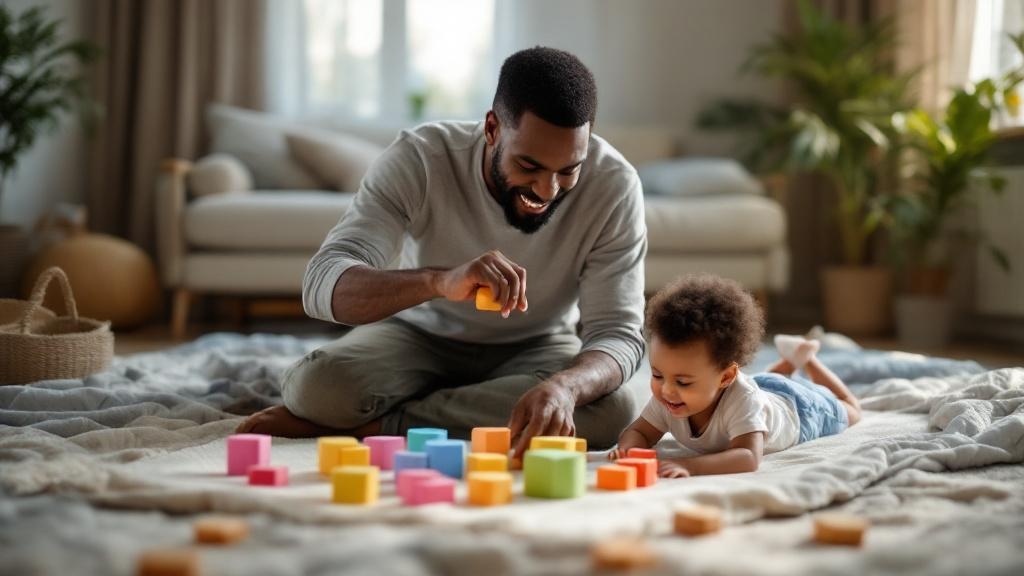
Play is the language of childhood and a natural nervous system regulator. When children play, especially with a calm, regulated adult, their stress response naturally decreases.
- Rough-and-tumble play (wrestling, tickling) in a safe way
- Turn-taking games that build connection
- Singing songs together (vibration is regulating)
- Dancing to favorite music
- Simple games like peek-a-boo or hide-and-seek
When Should I Seek Professional Help for My Child’s Anxiety?
While these nervous system regulation activities can be incredibly helpful, some situations require professional support. Contact your pediatrician or seek immediate medical attention if your child experiences:
- Sudden onset of severe anxiety symptoms
- Physical symptoms like chest pain, difficulty breathing, or fainting
- Anxiety that significantly interferes with daily life, school, or relationships
- Self-harm behaviors or expressions of wanting to hurt themselves
- Regression in developmental milestones
- Complete refusal to eat, sleep, or engage in normal activities
Important: These nervous system regulation strategies are designed to support your child’s natural ability to self-regulate and should complement, not replace, appropriate medical care when needed.
How Can Chiropractic Care Support My Child’s Nervous System?
At River City Wellness, we understand that childhood anxiety often stems from nervous system dysregulation. Our gentle, pediatric-focused approach helps restore healthy brain-body communication so your child can naturally shift from “go mode” to “calm mode.”
Dr. Peter Martinez uses specific, gentle techniques to support nervous system function. By addressing areas where stress and tension may be interfering with your child’s ability to self-regulate, we help their body’s natural healing systems work more effectively.
Many Austin families in South Austin, Manchaca, Buda, Sunset Valley, and Circle C have found that combining at-home regulation activities with professional nervous system care creates lasting change for their anxious children.
What to Expect During Your Visit
- Comprehensive assessment of your child’s nervous system function
- Gentle, age-appropriate techniques that feel safe and comfortable
- Personalized home care recommendations
- Ongoing support as your child’s nervous system develops greater resilience
Ready to Help Your Child Find Natural Calm?
Don’t wait for your child’s anxiety to resolve on its own. At River City Wellness, we specialize in gentle nervous system care that helps anxious children develop lasting resilience and self-regulation skills.
Take the first step toward supporting your child’s nervous system naturally.
Questions? Call us at (737) 348-0141
Serving families in Austin, South Austin, Manchaca, Buda, Sunset Valley, and Circle C