

You’ve been to specialists, tried therapies, cleaned up their diet, given supplements – your planner overflows with appointments and interventions. Yet your child is still struggling. Sleep remains difficult. Congestion won’t clear. Meltdowns continue. Their nervous system seems stuck in “go mode” no matter what you try.
When families do everything right but still feel stuck, we often need to look beyond the usual suspects. One of the most overlooked causes of nervous system dysregulation in children is environmental stress – particularly mold exposure.
Certain molds release neurotoxins that can keep your child’s nervous system locked in fight-or-flight mode, making it nearly impossible for their brain and body to calm down, heal, and develop properly.
How Does Mold Affect Your Child’s Nervous System?
Mold itself is the fungus you see growing on surfaces. But the real problem is mycotoxins – toxic byproducts that molds release into the air. When your child breathes contaminated air, they’re inhaling neurotoxins that cross directly into their brain.
These toxins don’t just cause respiratory symptoms. They directly impact brain function and nervous system regulation by:
- Creating inflammation in brain tissue
- Interfering with oxygen utilization (the brain uses 20% of your body’s oxygen)
- Irritating the vagus nerve and autonomic nervous system
- Keeping the nervous system stuck in sympathetic dominance (“go mode”)
Think of it this way: your child’s nervous system has a gas pedal (fight-or-flight) and a brake pedal (rest and regulation). Chronic mold exposure keeps that gas pedal floored while the brake pedal becomes exhausted.

What Are the Warning Signs of Mold-Related Nervous System Stress?
The tricky thing about mold toxicity is that symptoms often look like other conditions. Parents and providers might focus on ADHD, anxiety, or developmental concerns while missing the environmental piece entirely.
Nervous System and Behavioral Signs
- Brain fog or attention difficulties that appeared suddenly
- Emotional dysregulation and frequent meltdowns
- Sensory processing challenges
- Sleep difficulties or restless sleep
- Chronic fatigue in a young child
- Motor tics or repetitive movements
Physical Symptoms
- Chronic respiratory issues or congestion
- Persistent digestive problems
- Frequent infections or immune challenges
- Headaches or unexplained body aches
The “Away from Home” Pattern
One significant red flag: symptoms improve when your child is away from home. They do better at school, during vacations, or while staying with relatives. This contrast suggests their nervous system is responding to environmental stressors in your home.
Is your child’s nervous system stuck in stress mode? Our gentle, nervous system-focused approach helps children’s bodies shift from “go mode” to “calm mode,” supporting their natural ability to heal and develop.

Why Don’t Some Children React to Mold Exposure?
Genetic susceptibility explains why mold severely affects some children while others in the same environment appear fine. Research suggests 25% or more of the population has genetic variations that make it harder to recognize and eliminate mycotoxins efficiently.
If your child has this genetic predisposition, their body struggles to process and clear these neurotoxins. Meanwhile, a sibling without these variations might show no symptoms at all, even with identical exposure.
Where Does Toxic Mold Hide in Homes?
The most problematic molds – Stachybotrys (black mold), Aspergillus, and Penicillium – thrive in damp, poorly ventilated areas:
- Basements and crawl spaces
- Bathrooms, especially around tubs and showers
- Under sinks and behind appliances
- Areas with previous water damage
- HVAC systems and ductwork
- Behind walls where leaks have occurred
What makes this particularly challenging: if mold is actively growing in your home, your child faces re-exposure 24/7. Their nervous system never gets a break to process the toxic load and recover.

How Can You Support Your Child’s Recovery?
The good news: when mold is identified and properly remediated, families often see rapid improvements – sometimes within days. Once that constant toxic stress is removed, the nervous system can finally shift out of survival mode and begin healing.
Environmental Steps
- Professional mold inspection and testing
- Proper remediation (not just surface cleaning)
- Address moisture sources and improve ventilation
- Consider air purification systems
Supporting Nervous System Recovery
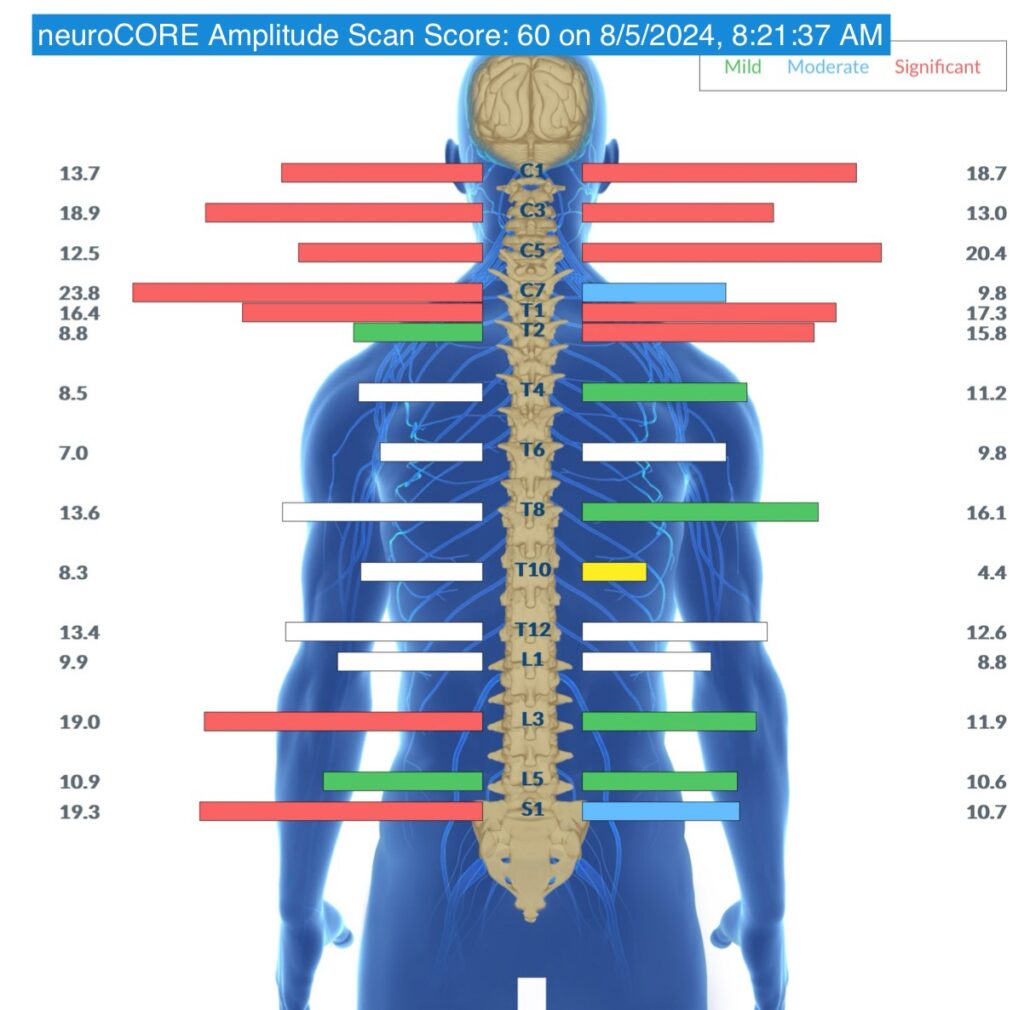
Even after environmental cleanup, your child’s nervous system may need support learning how to regulate again after being stuck in “go mode” for so long. This is where gentle, nervous system-focused care becomes invaluable.
Our approach focuses on helping your child’s brain-body communication improve, supporting their autonomic nervous system’s ability to shift between active and calm states naturally.
When Should You Seek Medical Attention?
While supporting nervous system regulation can be incredibly helpful, certain symptoms require immediate medical evaluation:
- Severe breathing difficulties or respiratory distress
- Sudden onset of neurological symptoms
- Seizure activity or loss of consciousness
- Signs of severe allergic reaction
- Rapidly worsening symptoms
Always work with your pediatrician for proper medical evaluation and testing when symptoms are severe or concerning.
Frequently Asked Questions
How long does mold toxicity recovery take?
Recovery timelines vary greatly depending on exposure duration, genetic factors, and individual resilience. Some children show improvement within days of remediation, while others may need weeks or months of support for their nervous system to fully regulate.
Can mold exposure cause permanent damage?
The developing nervous system has remarkable plasticity and healing capacity. With proper environmental cleanup and nervous system support, most children recover well. The key is identifying and addressing the exposure as soon as possible.
How is mold toxicity diagnosed?
Diagnosis often involves environmental testing, symptom assessment, and sometimes specialized lab work through qualified healthcare providers. The pattern of symptoms improving away from home is often a crucial clue.
Help Your Child’s Nervous System Find Balance Again
If environmental toxins like mold have kept your child’s nervous system stuck in stress mode, gentle chiropractic care can help restore natural brain-body communication and support their journey back to calm, regulated function.
Dr. Peter Martinez and our team at River City Wellness specialize in helping children’s nervous systems shift from “survival mode” to “healing mode” through safe, gentle techniques.
Serving families in Austin, South Austin, Manchaca, Buda, Sunset Valley, and Circle C
Schedule Your Consultation
Questions? Call us at (737) 348-0141