

River City Wellness Perspective
This PXDocs article is shared as parent education for families in Austin and nearby communities including South Austin, Buda, Circle C, Dripping Springs, and Central Texas. At River City Wellness, our team uses a nervous-system-focused lens to help families ask better questions about regulation, stress, sleep, digestion, and development.
This information does not replace medical care from your pediatrician. If your child has severe pain, fever, vomiting, blood in the stool, weight loss, dehydration, or other concerning symptoms, seek medical care promptly.
Eczema in children is a chronic inflammatory skin condition, most often the atopic dermatitis form, that causes itchy, dry, scaly patches and affects up to 25% of kids. While conventional care frames it as a surface-level skin problem driven by a defective skin barrier, persistent childhood eczema usually signals deeper dysfunction in the nervous, gut, and immune systems working together, with the Autonomic Nervous System as the upstream driver.
If you’re a parent reading this, your child has probably already gone through the standard playbook. Steroid creams. Moisturize twice a day. Dye-free detergents. Maybe an elimination diet, probiotics, and a stack of supplements. And yet the rash keeps coming back, flaring in spring and fall, getting worse during stressful weeks, calming down briefly only to return again.
That pattern isn’t a care failure on your part. It’s a signal that the standard approach is working on the wrong layer.
This article walks through what childhood eczema actually is, why it persists despite clean diets and topical treatments, and how the Autonomic Nervous System, specifically the vagus nerve and its control over gut motility, immune regulation, and elimination, sits at the root of the problem. You’ll learn what’s missing from most pediatric eczema protocols and how Neurologically-Focused Chiropractic Care addresses the layer almost no one else is looking at.
What Is Eczema in Children?
Eczema in children, clinically known as atopic dermatitis, is a chronic relapsing inflammatory skin condition involving a defective skin barrier, immune dysregulation, and altered microbiome. It typically appears in infancy or early childhood, often before age five, and presents as red, dry, itchy, scaly patches that flare and remit unpredictably. About 65% of affected children show signs in the first year of life.
The visible problem is the skin. The underlying problem isn’t.
When researchers map what’s actually happening in a child with persistent eczema, they find a multi-system pattern: a disrupted skin barrier on the outside, a shifted gut and skin microbiome internally, and an overactive Th2 inflammatory immune response throughout the body. Recent reviews now describe this as the gut-skin axis, a bidirectional pathway in which gut barrier dysfunction and microbial imbalance directly influence skin inflammation. The skin doesn’t malfunction on its own. It reflects what the gut and immune system are doing.
And both the gut and the immune system are controlled by the Autonomic Nervous System. That’s the piece almost every pediatric eczema protocol skips.
What Are the Most Common Signs of Eczema in Children?
Common signs of eczema in children include:
- Itchy, scaly patches of skin, often on the face, scalp, or behind the knees in infants and toddlers; on the elbows, wrists, ankles, and neck in older kids
- Dry, rough, or thickened skin that doesn’t respond fully to moisturizers
- Red, brown, purple, or grey patches, depending on skin tone, inflammation looks different on different skin
- Cracking, weeping, or oozing of severely affected areas, sometimes with crusting
- Constant scratching, especially at night, leads to disrupted sleep for the whole family
- Skin infections from broken skin and Staphylococcus aureus overgrowth, which correlates with disease severity in pediatric AD
- Flare patterns that worsen in spring and fall, during illness, or under emotional stress
- Co-occurring symptoms like chronic constipation, food sensitivities, frequent ear infections, or sleep problems
That last cluster matters. Eczema rarely shows up alone. Children with persistent eczema almost always have other signs of nervous system dysregulation running alongside it, and those co-occurring signs are what point to a deeper root cause.
What Causes Eczema in Children?
Eczema in children is caused by a combination of genetic skin barrier vulnerabilities, immune dysregulation, microbial imbalance, and, most often overlooked, Autonomic Nervous System dysfunction. Standard explanations stop at the first three factors. They explain what is broken in the skin and immune system, but rarely why a particular child’s nervous system can’t keep these systems regulated in the first place.
The PX Docs framework explains this through the“Perfect Storm,” a sequence of early life stressors that overwhelms a developing nervous system: prenatal stress, birth trauma (especially C-section, forceps, vacuum extraction, or prolonged labor), and early childhood stressors like antibiotic exposure, formula feeding, ear infection cycles, and chronic illness. These don’t just stress the body; they create subluxation—a combination of spinal misalignment, joint fixation, and neurological interference that disrupts regulation and communication with systems in the body, including the gut and immune system.
Children with persistent eczema frequently also experience ADHD, Autism, Sensory Processing Disorder, chronic constipation, anxiety, and sleep problems. This co-occurrence isn’t a coincidence. All of these conditions share a common upstream mechanism: pediatric dysautonomia—an imbalance in the Autonomic Nervous System marked by sympathetic dominance and suppression of vagus nerve function. Different symptoms, same root cause.
How Does the Nervous System Drive Childhood Eczema?
The nervous system drives childhood eczema by controlling the four stages of gut function that determine whether toxins get eliminated normally or pushed out through the skin. When the Autonomic Nervous System shifts into sympathetic dominance, the “gas pedal” fight-or-flight state, gut function stalls, immune inflammation rises, and the skin becomes the body’s backup elimination route. This is what makes eczema fundamentally a nervous system condition expressed on the skin.
Here’s the mechanism in plain language. The Autonomic Nervous System has two settings: sympathetic (gas pedal, activation, fight-or-flight) and parasympathetic (brake pedal, rest, digest, regulate). When a child’s nervous system gets stuck on the gas pedal—which is what dysautonomia and sympathetic dominance mean—the parasympathetic system, run by the vagus nerve, gets suppressed. And the vagus nerve is what tells the gut to work.
The vagus nerve controls gut function in a four-stage sequence:
- Motility, the wave-like muscle contractions (peristalsis) that move food through the digestive tract. This is the first function to stall under sympathetic stress.
- Absorption, pulling nutrients across the gut wall into the bloodstream. Compromised when motility slows.
- Assimilation, directing absorbed nutrients to the tissues that need them.
- Elimination, removing waste from the body. The final stage is the one that fails most visibly in children with eczema.
When elimination breaks down, the body still has to get waste out somehow. The skin, the largest organ in the body, becomes the backup route. The redness, the itching, the inflammatory rash patterns: those are the body using its surface to do what the gut should have done internally.
The vagus nerve also directly regulates inflammation through what’s called the cholinergic anti-inflammatory pathway, a well-documented mechanism in which vagal signaling suppresses pro-inflammatory cytokine release. When vagal tone is low (which it consistently is in children with Autonomic Nervous System dysfunction), the brake on inflammation comes off. The Th2 immune response that drives atopic dermatitis runs unchecked. Skin inflammation becomes chronic.
This is why diet changes, probiotics, and topical steroids hit a plateau in so many kids. None of them restores vagal tone. None of them addresses the upstream signal that’s keeping the gut, immune system, and skin all dysregulated at once.
Why Does My Child’s Eczema Keep Coming Back?
Your child’s eczema keeps coming back because most care approaches address only the outer two layers of the problem—the skin and the gut—without ever reaching the third and deepest layer: the Autonomic Nervous System. Until the nervous system shifts out of sympathetic dominance, the gut won’t eliminate properly, the immune system won’t downshift its inflammatory response, and the skin will keep flaring no matter how clean the diet, how good the cream, or how many supplements your child is taking.
Most families work through a predictable three-layer healing path, often without realizing the layers exist:
- Layer 1: The External Environment. Switching to fragrance-free detergents, organic cotton clothing, gentle soaps, and chemical-free household products. This layer is essential, and almost every parent dealing with eczema has already done it. If clean inputs solved the problem, eczema would resolve here. For many kids, it doesn’t.
- Layer 2: The Gut, Diet, and Immune System. Removing dairy, gluten, and processed foods. Adding probiotics, digestive enzymes, and omega-3s. Running food sensitivity panels. Eliminating reactive foods one by one. This is where most families spend the majority of their time, energy, and money. And it does help—partially. But many kids end up on highly restricted diets and a cabinet full of supplements, still flaring.
- Layer 3: The Nervous System. This is the layer almost no one reaches because conventional pediatrics and even most functional medicine practitioners aren’t trained to assess it. Yet this is the layer that controls the other two. When the Autonomic Nervous System is locked into sympathetic dominance, the gut won’t fully respond to dietary changes, the immune system stays inflamed, and the skin keeps acting as a backup elimination route.
The spring-and-fall flare pattern most eczema families notice is a clue here. During seasonal transitions, immune demand on the body increases. A nervous system that’s already running too hot in baseline weather can’t handle the additional load, and eczema flares predictably alongside seasonal allergies, ear infections, and behavioral regression. This is a nervous system tolerance problem, not a pollen problem.
Another clue: supplement dependence. If your child needs three to five daily supplements just to have a regular bowel movement, that’s not a nutrient deficiency; it’s a sign that the nervous system isn’t running gut function on autopilot the way it’s designed to. The supplements are propping up a system that the nervous system should be running automatically.
How Does Neurologically-Focused Chiropractic Care Help Children With Eczema?
Neurologically-Focused Chiropractic Care helps children with eczema by identifying and correcting subluxation patterns that keep the Autonomic Nervous System stuck in sympathetic dominance. Specific, gentle, child-appropriate adjustments reduce neurological interference along the neurospinal pathways regulating the vagus nerve, gut function, and immune response—allowing the body to shift back toward parasympathetic regulation and help restore the natural elimination, digestion, and inflammatory control disrupted by childhood eczema.
Central to this approach is INSiGHT scanning, a three-part neurological assessment used in Neurologically-Focused Chiropractic Care that measures heart rate variability (HRV), surface electromyography (sEMG), and thermal patterns to map Autonomic Nervous System function. The thermal scan reveals regional dysautonomia along the neurospinal pathways, a pattern standard pediatric workups don’t catch.
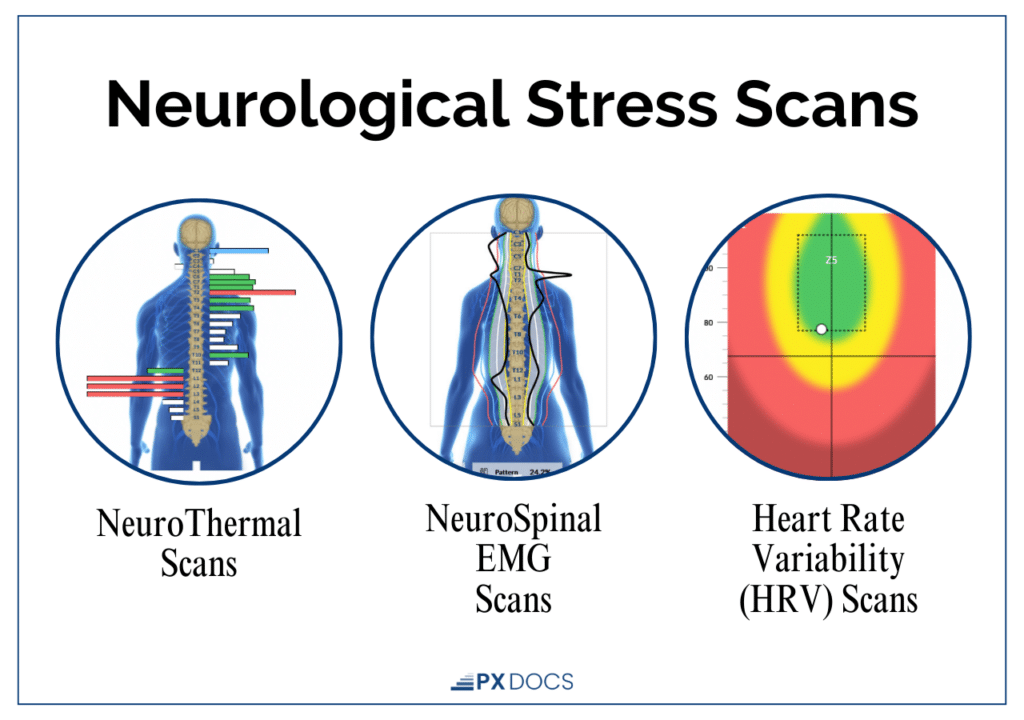
INSiGHT scans are not a treatment or a cure for any condition, not even back pain. They measure nervous system function so families can see where dysregulation is occurring and track whether care is restoring balance over time.
After struggling with severe eczema that covered much of his body, Declan’s family felt like they had tried everything—diet changes, allergy testing, and countless remedies—with little lasting relief. But once they discovered a neurologically-focused approach that looked deeper at stress within his nervous system and gut, things finally began to change. Within weeks, his skin started clearing, and over time, his sleep, mood, and overall happiness transformed as well. Today, Declan’s story is a powerful reminder that healing is possible and that hope can return even after families feel like they’ve run out of answers.
The Bottom Line for Parents
Eczema in children is rarely just a skin problem. The visible rash is the surface expression of a deeper pattern involving the gut, the immune system, and—at the root—the Autonomic Nervous System. Standard care that focuses on the skin and the diet helps many kids partially, but for the children whose eczema keeps coming back despite everyone doing everything right, the missing piece is the nervous system layer.
Cleaning up external irritants matters. Cleaning up the diet matters. Supporting the gut with the right foods and a targeted supplement strategy matters. But none of those interventions will reach full effectiveness while the Autonomic Nervous System is stuck in sympathetic dominance and the vagus nerve is suppressed.
If your child’s eczema has resisted the conventional approach, the next step isn’t another cream or another elimination diet; it’s an assessment of how their nervous system is actually functioning. An INSiGHT thermal scan can show you what no allergy panel will: whether dysautonomia and subluxation are driving the cycle from the inside out.
To find a Neurologically-Focused Chiropractor trained in pediatric care, search the PX Docs directory for a practitioner in your area. The path to clearer skin in kids with persistent eczema almost always starts one layer deeper than parents have been told to look.
Frequently Asked Questions
Why does my child’s eczema keep coming back, even with a perfect diet?
Diet works on the gut layer, but the gut is controlled by the Autonomic Nervous System through the vagus nerve. If the nervous system is stuck in sympathetic dominance, it suppresses gut motility, absorption, and elimination regardless of what’s eaten. The digestive tract runs on autopilot via vagal tone, so when that tone is low, even an ideal diet can’t fully resolve the inflammation, leaky gut, or skin manifestations driving eczema.
Can chiropractic care help children with eczema?
Neurologically-Focused Chiropractic Care doesn’t treat or cure eczema, but it addresses subluxation and Autonomic Nervous System dysfunction, the upstream drivers behind chronic gut, immune, and skin dysregulation. By reducing neurological interference and supporting vagal tone, gentle pediatric adjustments help the body restore the elimination, digestion, and inflammation control that childhood eczema reflects. Most parents notice sleep, bowel, and behavior improvements first, with skin clearing as the system regulates.
What’s the connection between gut health and eczema in children?
The connection runs through the gut-skin axis: when the gut microbiome is imbalanced and the intestinal barrier is leaky, the immune system shifts toward chronic inflammation that surfaces on the skin. But the gut itself is controlled by the vagus nerve. The microbiome and motility both depend on autonomic function, which is why probiotics and dietary changes can help, but rarely resolve persistent eczema without nervous system support.
Is eczema in children linked to other conditions like ADHD or Autism?
Yes, eczema in children frequently co-occurs with ADHD, Autism, Sensory Processing Disorder, anxiety, chronic constipation, and frequent ear infections. The shared mechanism is pediatric dysautonomia: Autonomic Nervous System dysfunction with sympathetic dominance and suppressed vagal tone. Each condition shows up in a different system (skin, behavior, sensory, gut), but all trace back to the same upstream neurological pattern, which is why these conditions cluster together in the same kids.
At what age can a child with eczema start chiropractic care?
Children can begin Neurologically-Focused Chiropractic Care from infancy. In fact, eczema appearing before six months is on Dr. Tony Ebel’s list of commonly missed early warning signs of nervous system dysregulation. Pediatric adjustments use gentle, fingertip pressure appropriate for a baby’s body, not the techniques used on adults. Earlier intervention generally means faster regulation because the nervous system patterns haven’t been reinforced for as long.
Will my child outgrow eczema?
Some children do see eczema improve with age; about half of affected kids see significant improvement between ages five and fifteen as the skin barrier matures. But “outgrowing” eczema doesn’t always mean the underlying nervous system pattern resolves. Many of these kids develop other conditions instead—asthma, allergies, anxiety, ADHD—because the autonomic dysfunction driving the original eczema simply expresses through a different system. Addressing the root cause prevents that progression.
Questions Austin Parents Ask
How does River City Wellness use PXDocs articles?
We share these articles as parent education. During visits, our team evaluates nervous system and spinal function to help families better understand regulation, stress, sleep, digestion, focus, and development.
Does this replace my child’s medical care?
No. This information does not replace diagnosis, treatment, or follow-up from your pediatrician or another medical professional. Seek medical care for severe, new, or worsening symptoms.
Where is River City Wellness located?
River City Wellness is located at 8708 S. Congress Ave Suite 570, Austin, TX 78745. We serve families from Austin and nearby communities including South Austin, Buda, Circle C, Dripping Springs, and Central Texas.
Originally published on PX Docs by Dr. Morgan Reimer.
Synced to River City Wellness for educational purposes.